
Low-bake formulations are one of the newer developments in the world of powder coatings. These technologies cure at lower temperatures and in less time than standard powder coatings, thanks to rapid crosslinking that accelerates the formation of strong chemical bonds. The result is significant energy savings, faster production cycles and compatibility with a broader range of substrates.
Why Low-Bake Powder Coatings Are Ideal for Wood and Wood Composites
Historically, wood and wood composite products were challenging to finish with powder coatings due to the high curing temperatures required. Excessive heat often caused warping, shrinking, discoloration and loss of structural integrity. However, low-bake powder coatings designed specifically for heat-sensitive materials cure fully at reduced temperatures, preserving both the strength and aesthetic appeal of wood products.
Innovations like PPG ENVIROCRON® HeatSense powder have enabled wood-reliant industries to leverage the exceptional durability and environmental advantages of powder coatings for their products by minimizing or eliminating the heat-related risks associated with most standard powder coatings. This breakthrough allows manufacturers to enjoy the exceptional durability and sustainable benefits of powder coatings without compromising product quality. Plus, low-cure powders have opened up new design frontiers for wood product manufacturers.
Unlocking New Design Possibilities with Powder Sublimation on Heat-Sensitive Substrates
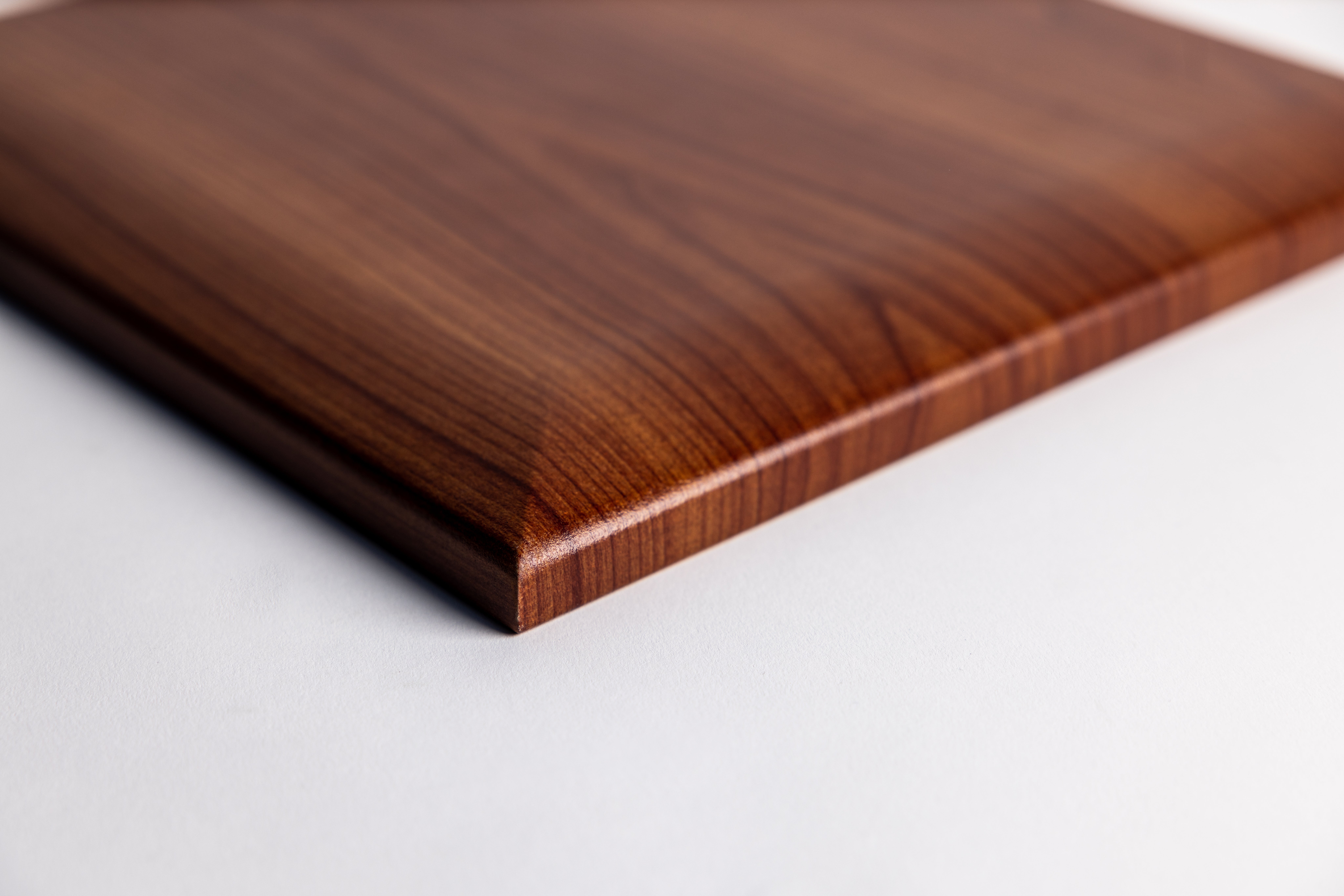
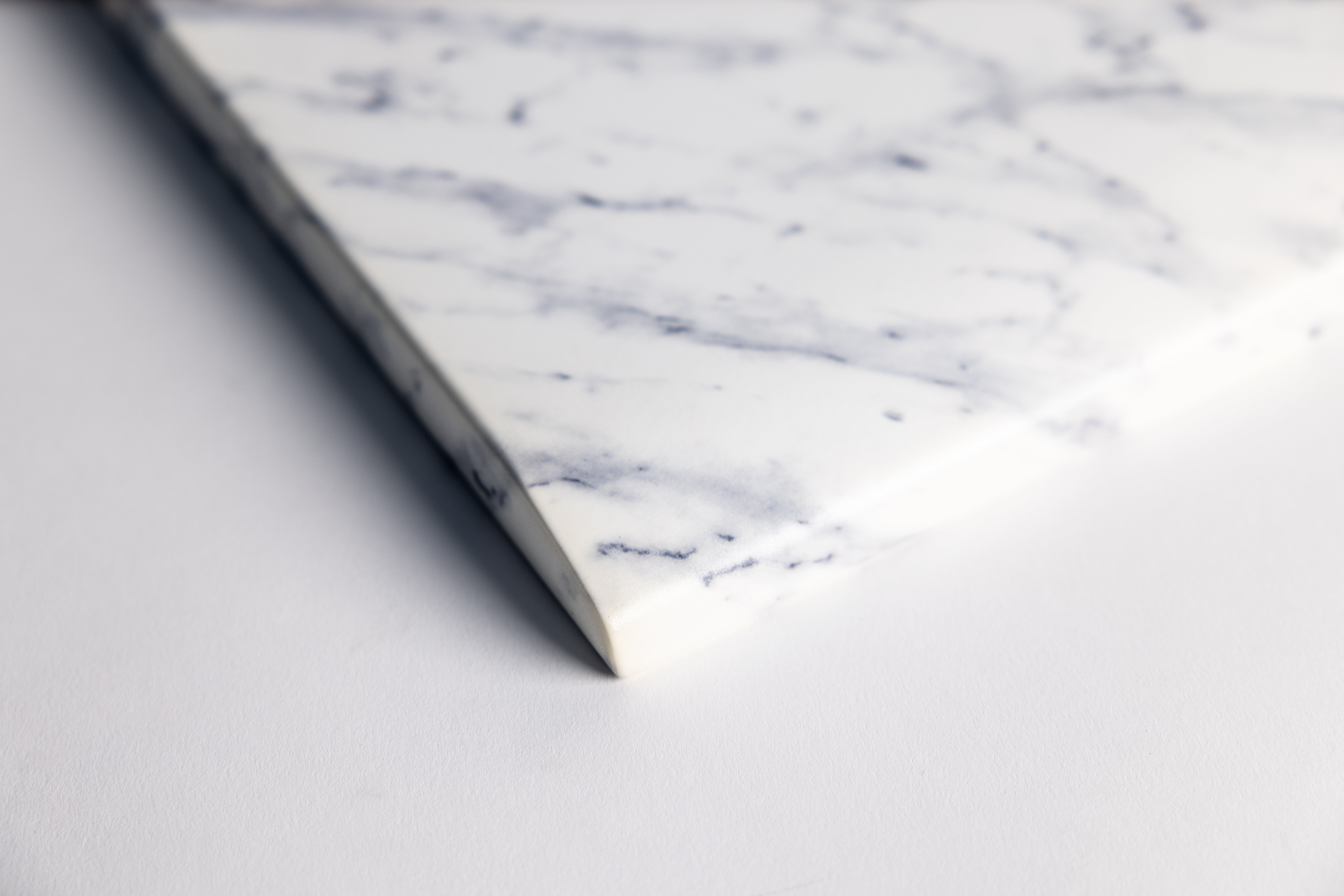
Low-cure powder coatings have paved the way for powder sublimation, a process that combines high-resolution printed designs with the protective qualities of powder coatings. This technique enables the creation of premium finishes that realistically mimic natural materials such as wood, marble, stone, leather and metal.
The powder sublimation process starts with a base layer of white or light-colored powder coating, acting as a canvas. A digitally printed image is then applied and subjected to heat and pressure, causing the ink to vaporize and penetrate the powder layer. The result is a realistic decorative finish that is durable and resistant to scratching, fading and wear and often at a fraction of the cost and weight of the authentic materials that they simulate.
With its ability to deliver both first-class aesthetics and functional durability, powder sublimation has quickly gained traction in industries where wood-based materials are prevalent.
Applications in Recreational Vehicles (RVs) and Hospitality Industries
The RV and hospitality sectors are early adopters of sublimation printing combined with low-bake powder coatings. What they share in common is a reliance on wood and wood byproducts like laminated plywood, particleboard and medium-density fiberboard (MDF) for components like interior walls, cabinetry and furniture.
These coatings align with sustainability initiatives as they are specifically formulated without solvents that emit volatile organic compounds (VOCs) and require less energy. They also provide the durability needed for high-traffic environments and extreme weather conditions, while enabling stylish interior and exterior finishes that meet modern consumer preferences.
Laminated wood products are favored for their strength, cost-effectiveness, and lighter weight—critical for RV fuel efficiency and handling. However, most laminated goods require edge banding, a common finishing technique for covering and protecting exposed edges with narrow strips of material like PVC. But over time, these bands often peel and lift, which is not only unsightly, but exposes the substrate to the damaging effects of heat, moisture and cleaning agents and other chemicals.
Low-bake powder coatings eliminate the need for edge banding by fully encapsulating the substrate in a smooth, seamless finish that offers more complete protection and greater design freedom than the standard lamination process, including high-end finishes without the price tags that usually come with them thanks to sublimation printing capabilities.
The durability of powder coatings results in a protective finish that is highly resistant to scratches, UV rays, and chemicals, making them ideal for high-traffic areas like restaurants, hospitals and hotel lobbies.
Key Benefits of Powder Sublimation for Heat-Sensitive Wood and Composites
- Durability: Resistant to wear, corrosion and fading, reducing the need for frequent repairs and replacements.
- Customization: Allows for fully customized finishes that enhance customer experience and support brand aesthetic.
- Sustainability: Powder coatings are generally environmentally friendly, with low VOC emissions and reclaimable materials.
- Maintenance: Surfaces are easier to clean and maintain, important for hygiene standards in hospitality settings.
To explore how PPG ENVIROCRON® HeatSense powder coatings can transform your wood and composite finishing processes, visit https://www.ppg.com/en-US/industrialcoatings/powder-coatings/envirocron-heatsense.