Aluminum and steel are widely valued in architecture for their strength and durability. However, applying high-performance industrial coatings significantly enhances their longevity by protecting against corrosion, UV damage, chemicals and harsh environmental conditions. These coatings not only extend the lifespan and structural integrity of architectural metals but also preserve the aesthetic appeal of the finish.
In the architectural metal finishing industry, manufacturers utilize both factory-applied and field-applied coating methods. Each method is tailored to specific metal types and applications, ensuring optimal performance and visual quality. The two most common factory-applied techniques are coil coating and extrusion coating.
While both offer protective and visual qualities like color, sheen and special effects, they vary widely in how these solutions are applied and their suitability for various end use building products.
Understanding the differences between these methods is essential for architects, builders and manufacturers to select the best coating system for their projects.
What is Coil Coating?
Coil coating is a continuous factory process where large coils of aluminum or steel are unwound, cleaned and coated before being fabricated into finished products. The metal sheets are coated with multiple layers—typically a pretreatment layer for corrosion resistance, a primer for adhesion and smoothness and a topcoat for color and weather protection. The coated metal is then cured using heat or advanced technologies such as ultraviolet (UV) light or electron beam curing, resulting in a hard, durable finish.
The continuous coil coating process delivers uniform coverage and exceptional throughput—reaching speeds of up to 700 feet per minute. Coating layers vary, but a typical three-coat coil system consists of pretreatment for improved bonding and corrosion protection, a primer for an additional barrier coat and surface smoothness and a topcoat for color, gloss and weathering performance.
An efficient and cost-effective method for pre-painting steel and aluminum, coil coating is a closed-loop process that helps to minimize emissions like volatile organic compounds (VOCs) through stringent environmental controls.
While the use of powder finishing is growing in manufacturing due to durability and sustainability advantages, powder technologies are not commonly used in coil coating applications due to a number of challenges, including the curing requirements for powder that are not compatible with the high-speed nature of coil coating.
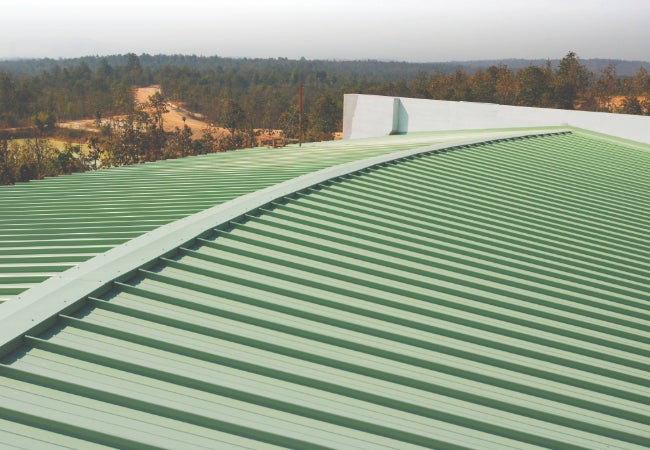
Key Benefits of Coil Coatings:
- Uniform coverage with high-speed production (up to 700 feet per minute)
- Cost-effective and environmentally advantaged, featuring closed-loop systems that minimize volatile organic compound (VOC) emissions
- Flexible coatings that withstand bending and forming without cracking
- Ideal for products formed after coating, such as roofing panels, siding, garage doors and rainware
- Wide industry applications including HVAC systems, electrical enclosures, transportation containers and appliances
Common Coil Coating Resins:
- PVDF (polyvinylidene fluoride
- Polyesters
- Silicone-modified polyesters
What is Extrusion Coating?
Extrusion coatings are applied to pre-formed metal shapes, primarily extruded aluminum components like window and door frames. This process involves cleaning, pretreatment (if needed), paint application via automated spray or dip methods and then cured with heat in an oven. These coatings are often thicker and more customizable, making them optimal for finishing complex parts.
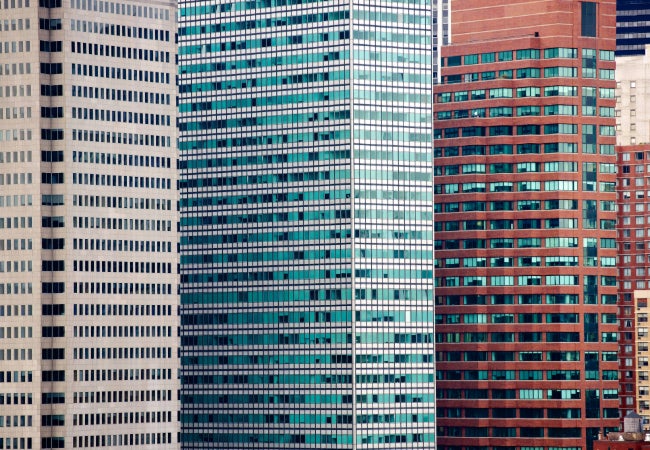
Key Benefits of Extrusion Coatings:
- Thicker, more customizable coatings suitable for complex shapes and intricate architectural components
- Design versatility allowing for single or multiple coats to enhance durability and achieve special effect finishes
- Compliance with FGIA/AAMA performance standards
- Supports both liquid and powder coating technologies
Common Extrusion Coating Resins:
- PVDF
- Acrylics
- Fluoroethylene vinyl ether (FEVE)
- Durable and ultra-durable polyesters
Extrusion coatings are less flexible than coil coatings but excel in detailed architectural elements such as curtain walls, decorative trim and louvers.
Extrusion Coatings Step by Step
Cleaning to remove contaminants is the first step in the extrusion process, followed by pretreatment, if necessary, to improve adhesion and corrosion performance. Next is the paint application, then baking to cure the coating and ensure strong bonding and hardness. After cooling, the finished product is ready for packaging and shipping.
This process is widely used for architectural components like window frames, curtain walls, decorative trim and louvers. Because it is applied after the metal is shaped, extrusion coatings tend to be less flexible than their coil coating counterparts.
What makes them appealing in architectural applications is their design versatility. Applied post-formation, extrusion coatings accommodate more intricate shapes and allow for greater customization.
While typically applied as a single layer, multiple coats can be used to enhance durability, extend warranty coverage or achieve special effect finishes. Unlike the coil coating process, extrusion finishing systems can accommodate both liquid and powder coating technologies.
Coil Coating vs. Extrusion Coating: Key Differences
The most notable difference between coil and extrusion coatings is the timing of their application in the manufacturing process. Coil coatings are applied to metal before it is fabricated into products, while extrusion coatings are applied after the metal has been pre-formed into components. But there are other key distinctions between the two factory-applied systems.
Coil coatings are ideal for products that are formed after painting like roofing panels, wall cladding, siding, garage doors and rainware like gutters and downspouts. Because the coating is applied before the metal is shaped, coil coatings must have the flexibility to withstand bending and forming without cracking.
While extrusion coatings are primarily used in building applications, coil coatings are used in a broader range of industries, including HVAC systems and electrical enclosures, transportation applications like shipping containers and truck beds, as well as on household and commercial appliances.
| Feature | Coil Coatings | Extrusion Coatings |
| Application Timing | Applied before metal is formed | Applied after metal is shaped |
| Substrate Type | Flat coils of aluminum or steel | Pre-formed extruded aluminum shapes |
| Application Method | Roll coating in continuous process | Spray or dip application using automated systems |
| Layer Structure | Typically multi-layer: pretreatment, primer, topcoat | Usually single-layer; multi-layer optional for durability |
| Curing Process | Thermal curing or advanced methods (UV, electron beam) | Oven baking after application |
| Production Speed | High throughput (up to 700 ft/min) | Slower, batch-based process |
| Flexibility Requirements | Must withstand forming without cracking | Less flexibility needed; applied post-formation |
| Design Versatility | Limited to flat surfaces and simple shapes | Ideal for complex geometries and custom designs |
| Common Uses | Roofing panels, siding, gutters, garage doors | Window frames, curtain walls, louvers, decorative trim |
| Resin Types | PVDF, polyesters, silicone-modified polyesters | PVDF, acrylics, FEVE, durable/ultra-durable polyesters |
| Environmental Compliance | Closed-loop VOC capture system | Varies by facility; often meets FGIA/AAMA standards |
| Finish Options | Wide range of colors, glosses, and effects | Highly customizable with special pigments and finishes |
“While factory‑applied coil and extrusion coatings account for most architectural finishes, there are situations where coatings must be applied on-site.
Field-Applied Finishes
While factory-applied coil and extrusion coatings provide precise, controlled finishes, field-applied coatings are used onsite after installation. This method is ideal for:
- Touch-ups and repairs
- Restoration projects
- Custom color matching
Field-applied coatings offer flexibility to adapt to environmental conditions and project-specific needs without the cost and downtime of removing and reinstalling metal components; they allow for spot repairs, significantly lowering labor and material expenses compared to full factory recoating or panel replacement. Additionally, they can be applied by brush, roller, or spray and formulated to match factory finishes in color, gloss and special effects.
Choosing the Right Architectural Metal Coating System
Selecting the appropriate coating system depends on:
- Performance requirements: Durability, corrosion resistance, UV protection
- Design goals: Color, gloss, texture and special effects
- Budget constraints: Cost-effectiveness and lifecycle value
Whether for a monumental building façade or residential window frames, the right coating ensures long-lasting durability, aesthetic appeal and cost efficiency.
Contact us today to discuss your requirements, request a consultation, or receive a customized quote.