
Fire safety, corrosion control, insulation, and flooring are vital for durability, sustainability, and efficiency amid rising processor densities and regulatory demands.
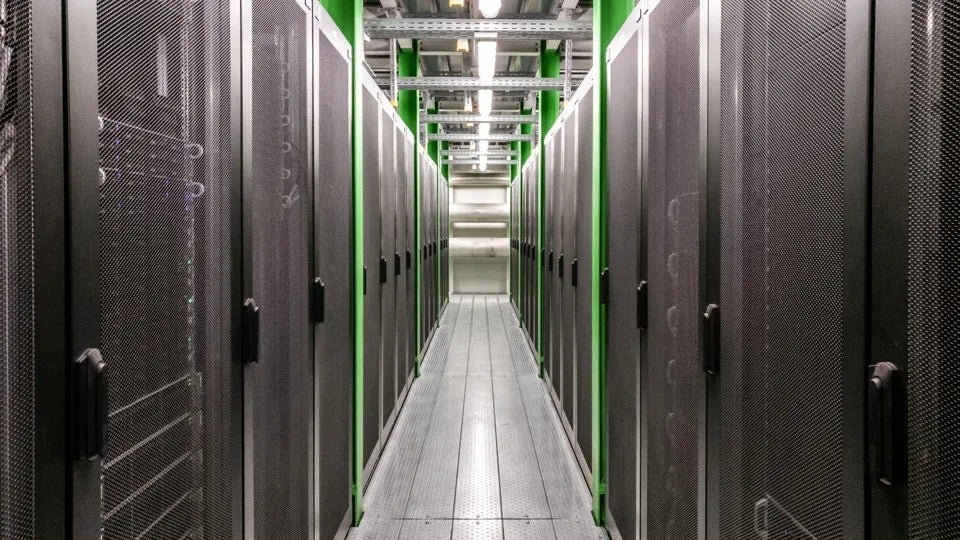
According to Axios's news analysis, more than 3,000 data centers are under construction or in planning across the US, reflecting a major shift in design and delivery. To address the growing demand for higher processor density, builders are moving away from traditional single-story layouts and adopting vertical, multi-level structures. Additionally, many developers are choosing rural locations where large tracts of land are available for hyperscale structures. However, these sites often present challenges such as temperature extremes, wind, moisture, and limited local infrastructure, which can increase long-term operational risks if durability is not prioritized from the outset.
This evolution in data center design emphasizes the critical importance of fire protection, corrosion control, thermal insulation, and flooring systems. These elements are essential for ensuring uptime, safety, and lifecycle costs. They will need to perform at speed, maintain safety and durability, and meet the demands of tight construction schedules and uninterrupted operations.
Fire Safety in Multi-Story Facilities
Building multi-level data centers with occupied office space remains a newer practice in the US, but it's well established in Europe. These vertical designs impose stricter fire safety requirements, particularly in areas where people work above or adjacent to equipment halls. Structural steel in occupied zones must withstand fire for up to two or even four hours.
To meet code requirements and protect evacuation routes, contractors apply passive fire protection coatings (PFPs) that expand when heated into a durable, insulating barrier. This barrier slows heat transfer to steel, helping it to maintain structural strength longer than unprotected steel. These systems help prevent structural collapse and give emergency responders more time to act. For example, European data center projects have long required multi-hour fire-rated coatings. Recent projects from Ireland to Finland have applied high-performance PFP systems to structural steel to meet these stringent requirements. These standards have influenced US facilities to adopt higher fire-resistance ratings (often exceeding National Fire Protection Association minimums) to enhance resilience and mitigate risks.
Modular Construction with Factory-Applied Protection
Modular construction is reshaping data center building practices, including how and where protective coatings are applied. Traditionally, coatings are added onsite after steel assembly. In modular builds, suppliers apply them in controlled environments to ensure consistent quality. During transport, however, modules are exposed to abrasion, vibration and temperature fluctuations. High-performance coatings that withstand these stresses help protect components before they arrive on site.
Factory-applied coatings help improve quality and reduce installation time, offsetting delays from long material lead times. Pre-coated modules arrive ready to install, minimizing site work and enabling inspections before shipment. Modular systems with integrated corrosion and fire protection help reduce rework and accelerate project completion.
Corrosion Control in the Utility Zone
Chillers, pumps, wastewater systems, insulated piping, HVAC modules, and emergency generators comprise the facility's operational core.
These utility zones often sit on rooftops or in external yards, exposed to the weather. Corrosion control strategies in these areas must address a range of challenges, including atmospheric exposure, condensation, fluctuating temperatures and humidity, all of which can accelerate surface degradation of metal structures and equipment. Additionally, corrosion under insulation (CU) can cause severe damage, as well as chemical attack in water reuse and containment systems, where corrosive substances can concentrate over time and compromise the integrity of the structure. That’s why engineers now specify advanced coating systems designed for high‑corrosivity environments, such as C5 classifications under ISO 12944.
For instance, life protection in occupied buildings and the durability of modular construction remain essential.
Energy Conservation and Thermal Protection
Condensation on pipes can lead to corrosion, water damage and system shutdowns. In data centers, where chilled water lines run throughout the building, this problem affects uptime.
Insulation coatings create a thermal break that keeps pipe surfaces above the dew point. They prevent moisture from forming and protect against CUI, a leading cause of pipe maintenance and failure. Contractors often apply these coatings in mechanical rooms and on rooftop systems where traditional insulation materials fail.
Functional Flooring Systems
Floors in modern data centers must do more than maintain appearances. High-density processor layouts and AI server racks are exceptionally heavy, and flooring materials must withstand these increased loads across various structural layouts. They must also control static electricity, resist chemicals, and prevent dust buildup.
Electrostatic discharge (ESD) floors protect servers and network gear from electrical surges. Resinous flooring with seamless finishes prevents particles from collecting in joints or cracks. Chemical-resistant membranes cover mechanical rooms and battery storage areas.
Water Systems Require Their Own Defense
Water management systems now occupy a larger footprint in data centers. Hyperscale owners design custom wastewater and cooling loops to reduce municipal load in response to concerns about water use and environmental impact. These systems include tanks, tunnels, secondary containment, and pumps.
Every part of that system must resist abrasion, chemical attack, and movement. Coatings must adhere to concrete and steel under difficult conditions. Some environments require flexible membranes that can accommodate substrate movement. These coatings withstand high flow rates, temperature swings, and corrosive byproducts without failures or leaks.
Sustainability Drivers
Most operators now tie material choices to sustainability performance. They require documentation, durability, and low-emission solutions. They aim for LEED certification.
Project owners expect coating systems to include:
- Low-volatile organic compounds (VOC) formulations.
- Verified Environmental Product Declarations (EPDs).
- Reduced lifecycle emissions.
- Energy-saving performance.
- Extended asset longevity.
In recent years, data center owners selected coating systems based on both technical performance and carbon impact. Coatings with 100% solids or waterborne formulations helped contribute to LEED criteria and corporate sustainability metrics. In several global hyperscale builds, sustainable materials with third-party documentation were used to meet owner-mandated environmental goals.
What’s Ahead?
In the past, contractors applied fireproofing or corrosion protection at the end of a project. Today, those systems must integrate with the core structure, schedule and sustainability goals. Success will depend on the ability to deliver data centers that are efficient and maintainable throughout long service lives, while safely accommodating higher loads and processor densities. Asset longevity directly supports sustainability goals.
While meeting the increased demand for data center capacity, developers must also respond to evolving regulations on infrastructure and energy use, driving stronger expectations for resilience, accountability, and durable performance. Developers will look for modern protective systems that enable data centers to meet four main priorities:
- Life protection in occupied buildings.
- Durability in modular delivery.
- Performance in extreme conditions.
- Consistency across global portfolios.
Builders now treat coatings and surface protection as critical to infrastructure rather than finishes. That change reflects a broader trend in mission-critical data center construction. As data centers become more complex, protection will need to evolve too.
Kristine Gallagher is the PPG Global Segment Manager for Plants & Facilities and the Regional Segment Manager for Infrastructure, US and Canada, in the Protective & Marine Coatings business. She has more than 20 years of experience helping owners and builders navigate material performance and challenges across a wide range of industries.
Originally published in Data Center Knowledge.