Hydrocarbon passive fire protection
Next generation flexible passive fire protection
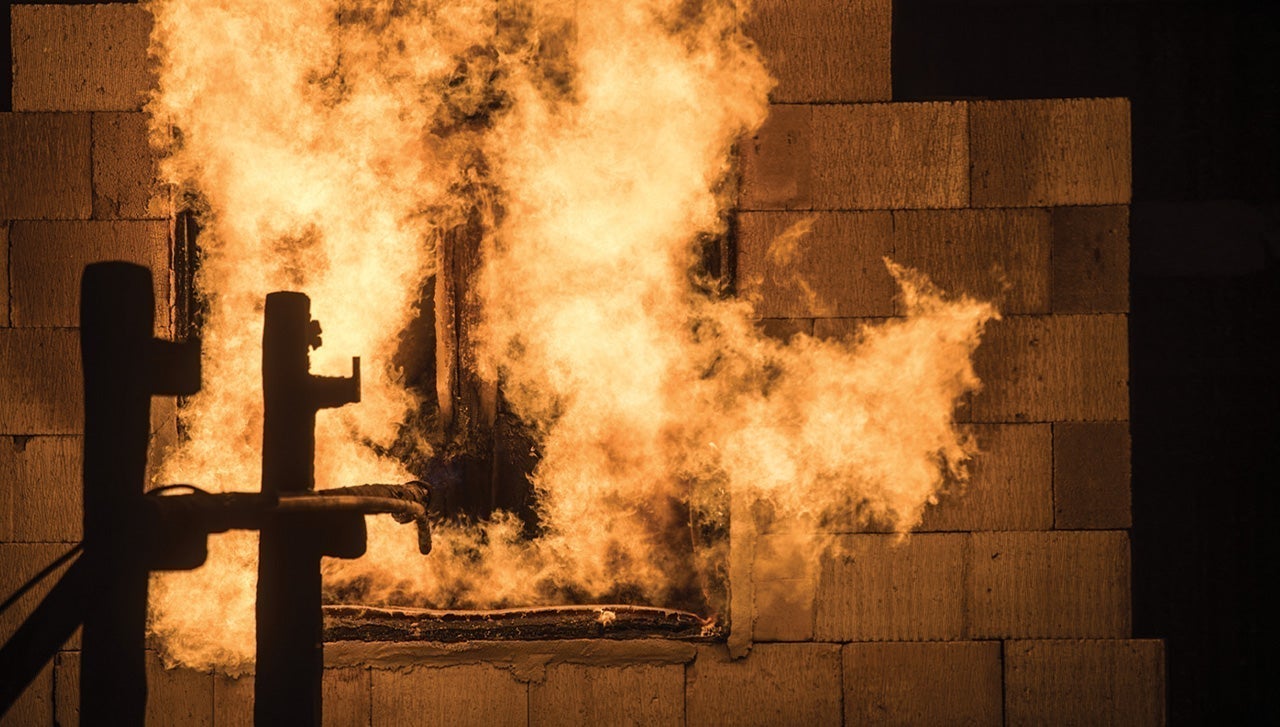
PPG’s hydrocarbon passive fire protection (PFP) coatings are designed to withstand the harsh conditions found in onshore and offshore oil, gas and petrochemical facilities. They effectively combat intense fire hazards caused by flammable liquids and gases, as well as cryogenic exposure from liquefied natural gas (LNG). Our intumescent coatings create an insulating barrier, slowing heat transfer to protect assets and allow workers essential time for evacuation.
Decades of performance supported by global expertise
PPG Pitt-Char® NX flexible epoxy intumescent PFP coating system is designed to resist cryogenic spills, hydrocarbon pool fires, jet fires and explosions. Exceptionally tough yet lightweight, it enables faster application and reduces cracking and delamination during fabrication and construction.
PPG Pitt-Char® technology has been trusted for over 35 years to safeguard personnel, structures and equipment in hazardous environments worldwide.

Enhanced durability under doubled UL 2431 exposure conditions

Comprehensively tested and certified to UL, ISO and IMO standards

Typically 15% lighter than alternative epoxy PFP systems

Long-term durability under severe temperature cycling
Industries

Offshore
With more than 800 new-build ships and 90 million square meters coated, our high-performance coatings shield offshore environments, including drillships, FPSOs, platforms and subsea assets. Our products protect against UV exposure, abrasion and extreme temperatures, helping reduce maintenance.
Chemical and petrochemical
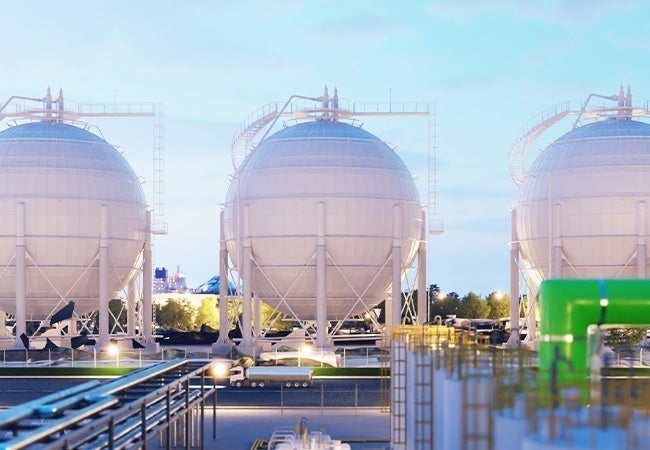
Durable coatings engineered to extend asset life, reduce risk and support efficiency for chemical and petrochemical operations. Our solutions resist corrosion, thermal shock and jet fires, protecting refinery equipment, storage tanks and transport assets in extreme environments.

Featured products
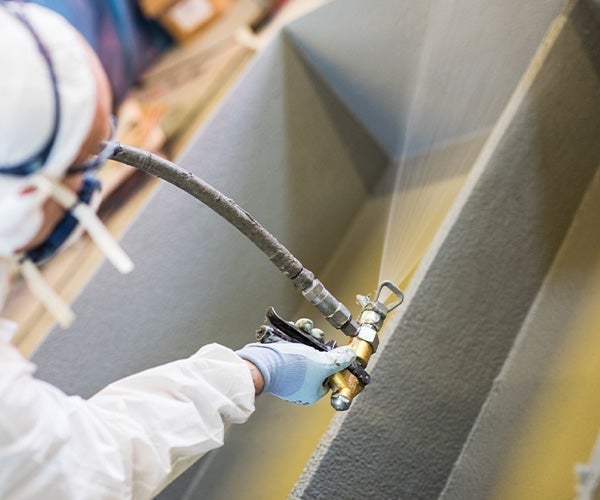
PPG PITT-CHAR® NX
This next generation flexible epoxy intumescent coating system provides passive fire protection designed to resist hydrocarbon hazards including pool fires, jet fires and explosions in onshore and offshore environments.