Water

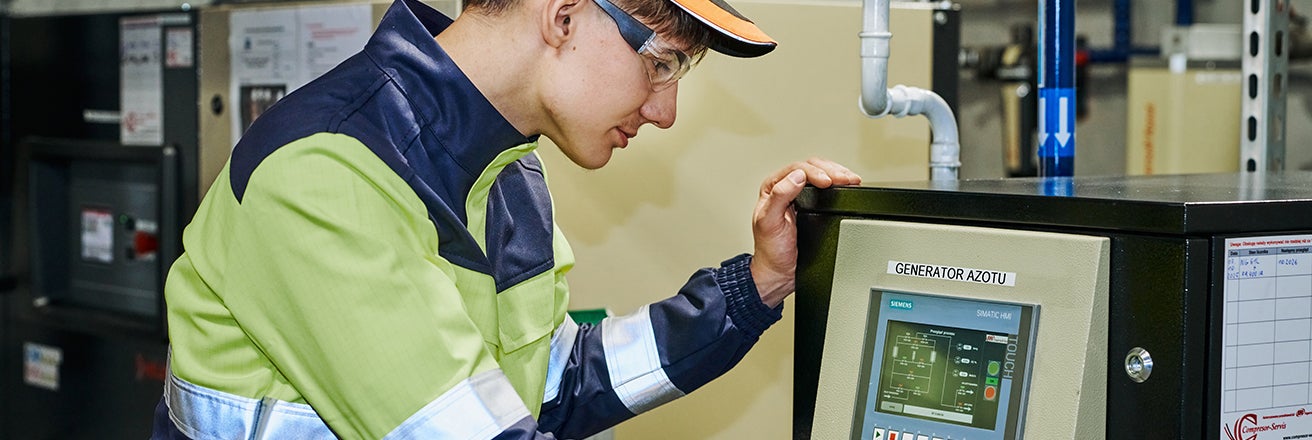
Worker checking data on screen in factory

We recognize that water is a finite, shared resource. We are driving operational excellence in our facilities through water conservation, innovation and reuse.

PPG uses water as an input - both as an ingredient in our products and for cleaning equipment between production batches. Most of the water we use is pretreated and sent to municipal water treatment facilities and then released back into the local water system.

Recognizing that impacts from water use vary significantly depending on local conditions, our 2030 water reduction goal prioritizes water efficiency measures in areas with high water scarcity risk. While we surpassed our 2030 goal in 2024, we continue to invest in water efficiency at facilities with the highest water use and greatest impact on local water basins. As a result, our water use in water-stressed communities has decreased by 29% from our 2019 baseline.

Reduction in water intensity at priority sites in water scarce communities


PPG's most significant impact on water availability in local communities comes from our facilities located in water-stressed areas. We consider our impacts on the entire water basin, and we take into account the local environmental, regulatory and socioeconomic context of each of our sites.

Looking ahead, we will continue monitoring water scarcity risk in the communities where we operate using the World Resources Institute's Water Risk Atlas, and will invest in best practices toward reducing our water use where our activities impact stakeholders.

Engineer wearing safety equipment within plant

Wastewater distillation and reuse in Wuhu

At our automotive coatings plant in Wuhu, China, one of our most common uses of water is for washing out waterborne product tanks between production runs. To reduce this demand, the facility installed two new wastewater distillation machines in 2025 to treat water used in manufacturing and tank-cleaning operations. The system separates contaminants from used wash water and produces distilled water that meets internal quality requirements for reuse in noncritical applications. The distilled water can then be reused to wash out product tanks between batches, lowering the need for new freshwater while maintaining cleaning standards on the line. Between the two distillation machines, the Wuhu facility is expected to process more than 500 metric tons (MT) of wastewater each year.

By reusing water, the Wuhu site is reducing freshwater withdrawals in a region facing increasing water stress. By minimizing wastewater, the site is decreasing the amount sent to the local municipal wastewater treatment plant for further treatment and freeing associated treatment capacity for other wastewater dischargers. Beyond the immediate benefits to the water basin and public wastewater treatment resources, the updated process also increases productivity, delivers cost savings and provides a model that can be replicated at other facilities.

Large steel structure coated with PPG AQUACRON Waterborne Basecoat

Sustainable water management to support growth in waterborne coatings

PPG AQUACRON® Waterborne Basecoat (WPB) is part of our waterborne coatings portfolio that helps industrial customers reduce emissions while maintaining high performance and appearance. As a water-based basecoat technology, PPG Aquacron WPB technology significantly lowers VOC emissions compared to traditional solvent-borne systems, supporting compliance with tightening air quality regulations and helping improve the working environment in manufacturing facilities. As we expand technologies that rely on water rather than solvents, efficient water management ensures that our operations remain resilient while the products we offer continue to advance our customers’ sustainability goals.

Sustainable water management is increasingly important to PPG, as water is both a critical input to our manufacturing processes and a key ingredient in many of our growing waterborne and low-VOC product lines. Across many PPG production facilities, we have installed water treatment infrastructure to reuse water or improve water quality before it is discharged to municipal water treatment facilities. We have, or are working to install, water treatment equipment at many of the sites that produce water-based paints, including the PPG sites in Tianjin, China, Cieszyn, Poland, and San Juan del Rio, Mexico. By using less water and reusing it where possible, we help protect local watersheds, ease the burden on community infrastructure, and reduce the energy needed to treat and move water.

For more detailed information about our ongoing approach to water management, including a detailed description of our water mapping, reuse, wastewater treatment, see the bottom of this web page.

Multi-year data highlights

Water intensity

Cubic meters per metric ton of production

Scroll right to view further data »


2025202420232019
Water intensity for priority sites in water stressed areas0.980.981.191.36

Data changes from prior reporting reflect adjustments for acquired and divested locations from the 2019 baseline onward.

Water consumption - all sources

Million cubic meters

Scroll right to view further data »


2025202420232019
Withdrawn7.457.498.409.96
Discharge5.745.776.687.78
Net consumption (withdrawn minus discharge)1.711.721.722.18

Total may not equal the sum due to rounding.

Water withdrawal and water discharge data are provided by each location on a monthly basis using the best available data, including direct measurements when possible. Data changes from prior reporting reflect adjustments for acquired and divested locations.

2025 water withdrawn - all sources

Million cubic meters

SourceAmount withdrawn
Surface water0.01
Groundwater3.79
Seawater0.00
Produced water0.00
Third-party water3.65

2025 freshwater consumption

Million cubic meters

SourceAmount withdrawn
Municipal water withdrawn3.65
Fresh surface water withdrawn0.01
Fresh groundwater withdrawn3.79
Water discharge5.74
Net freshwater consumption1.71

Water usage in water-stressed regions

Scroll right to view further data »


2025202420232019
Total water withdrawn in water stressed regions1.051.031.241.59
Percent of total withdrawn14%14%15%16%
Percent of total consumed34%34%37%43%

Included facilities are in North America, South America, Europe, Australia and Asia. Data changes from prior reporting reflect adjustments for acquired and divested locations and updated water scarcity analysis.

Water non-compliances

Scroll right to view further data »


2025202420232019
Number17956

Data cover non-compliances associated with water quality permits, standards and regulations and is based on the year that PPG is notified of the non-compliance by a governmental authority.

Water non-compliances are typically minor deviations from existing discharge permits. These incidents are thoroughly investigated, and corrective actions are implemented to minimize reoccurrence.

Our approach to water management