
We are committed to using resources efficiently and minimizing environmental impacts throughout our value chain.
In this section, we disclose our performance and approach related to the following priority issues:
- Decarbonizing PPG operations, supply chain and customer emissions.
- Building climate change resilience in physical assets.
- Addressing chemical-related social and environmental impacts, real and perceived.
- Managing interactions with water as a shared resource.
- Using circular economy principles to reduce impacts from materials and waste.
Our environmental section covers the following areas:
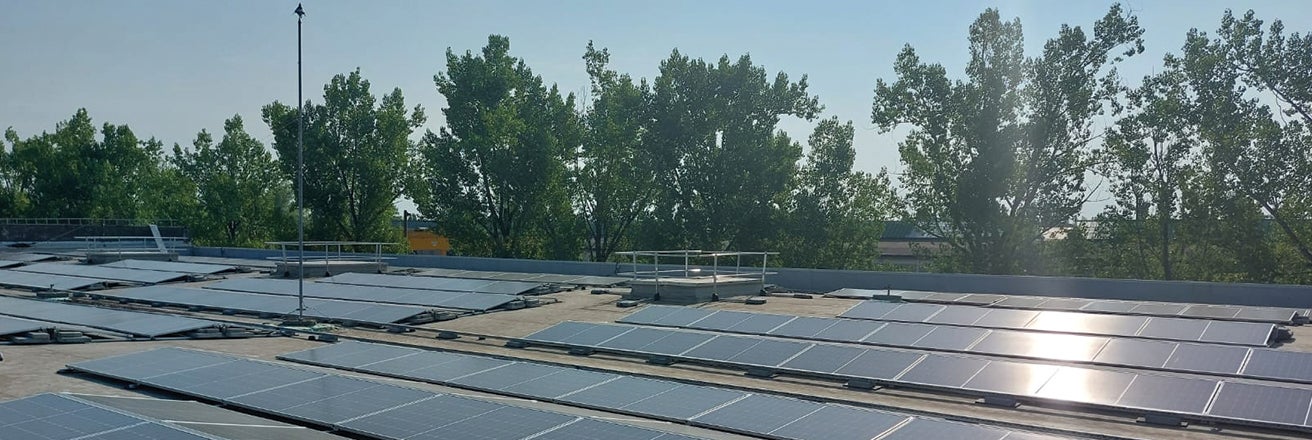
- Energy and emissions: PPG is committed to reducing our environmental impact while lowering operating costs and maximizing resource efficiency.
- Climate-related risks and opportunities: PPG takes a systemic approach to managing climate risks and looks for strategic opportunities to support the transition to a low-carbon future.
- Water: PPG recognizes that water is a finite, shared resource and is focused on minimizing water use in our priority facilities through conservation, innovation and reuse.
- Waste: PPG is moving toward a more circular economy by using resources more efficiently, minimizing operational waste, and promoting reuse and recycling throughout our value chain.
- Transportation: PPG leverages internal experts, mandatory practices and effective processes to ensure our products make it to their destinations safely and efficiently.
| Targets (all targets are by 2030 with a 2019 baseline, unless otherwise noted) | 2025 progress |
| 25% reduction in waste intensity | 3% reduction in waste intensity |
| Drive to 100% process waste to reuse, recycle and recovery | 49% process waste to reuse, recycle and recovery |
| 5% annual improvement in spill release rate at our facilities | 12% improvement in spill release rate |
| 15% reduction in water intensity at priority sites in water stressed communities | 29% reduction in water intensity at priority sites |
| 50% reduction in GHG emissions from our own operations (scope 1 and 2 emissions), validated by SBTi and aligned with the emissions reductions required for a 1.5 degrees Celsius future | 25% reduction in GHG emissions from our own operations (scope 1 and 2 emissions) |
| 30% reduction in GHG emissions in our value chain (scope 3 emissions), validated by SBTi and aligned with the emissions reductions required for a well below 2 degrees Celsius future | 5% reduction in GHG emissions in our value chain (scope 3 emissions), reflective of reporting categories 1, 10 and 12 |